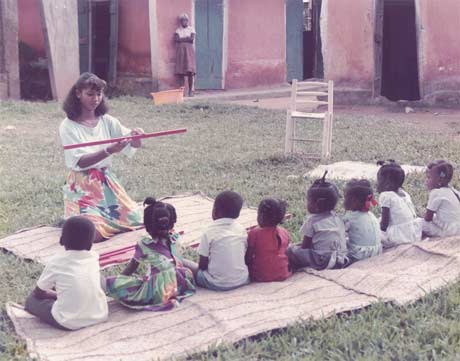
Transforming Childhood and Adulthood across Vulnerable Communities in Argentina
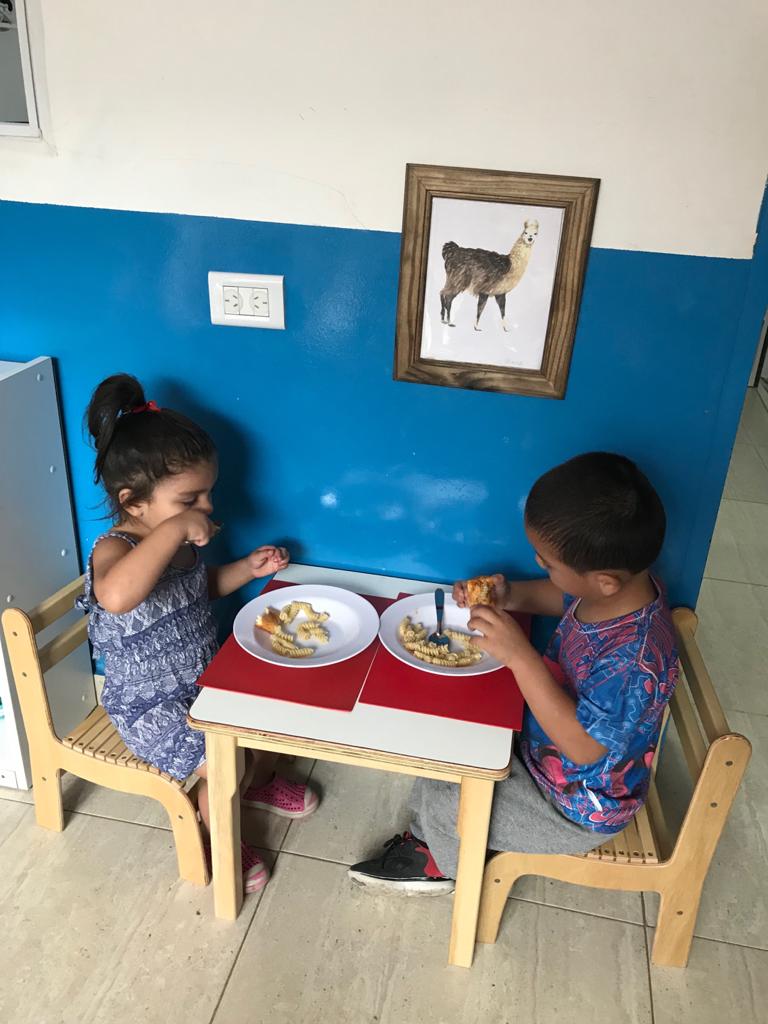
Planting the First Seeds
In Argentina, where child poverty has surged over the last decade and now touches two thirds of the nation’s children, access to high-quality early childhood care has become more urgent than ever. Only 30% of young children attend early care programmes, leaving countless families without support during a child’s most formative years. Since 2007, FAMM (Fundación Argentina María Montessori) has been working in vulnerable communities, partnering with individuals and institutions eager to improve the lives of their youngest members. Over the past 16 years, FAMM has helped start 60 Montessori programmes, 35 of them in vulnerable settings.
In the face of a growing need and deepening inequality, FAMM’s mission is clear: to create quality early childhood environments for all children by introducing the principles and practices of Montessori education.
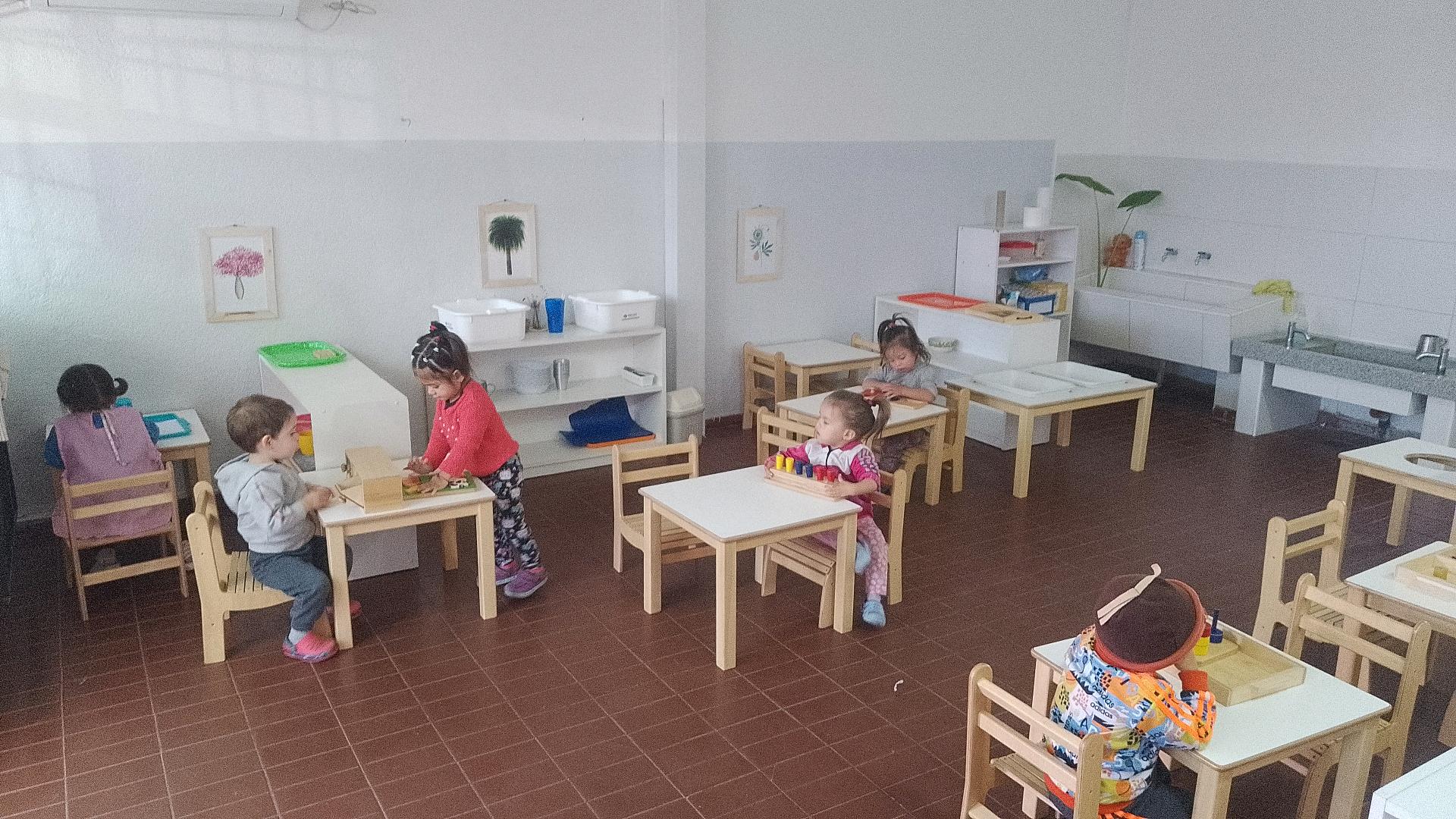
The MoDI Programme: Montessori for Infant Development
To meet this need, FAMM developed MoDI (Montessori para el Desarrollo Infantil), a comprehensive programme for children aged 0-3.MoDI is the result of eight years of work in both nonprofit and public early care programmes. The objective of the programme is to reorient childcare centres towards the fundamental principles that support child development in order to equip individuals, families, and institutions to implement the principles and practices of Montessori education and to achieve a favourable and measurable impact on the children, adults, and communities around them.
MoDI equips individuals, families, and institutions with Montessori principles through:
· Pedagogical training
· Institutional strengthening
· Equipping of environments
· Participation in a support network
· Development of the children’s education system
To date, 570 adults have participated in MoDI, working across 23 centres and serving 1300 children.
How the Programme Works
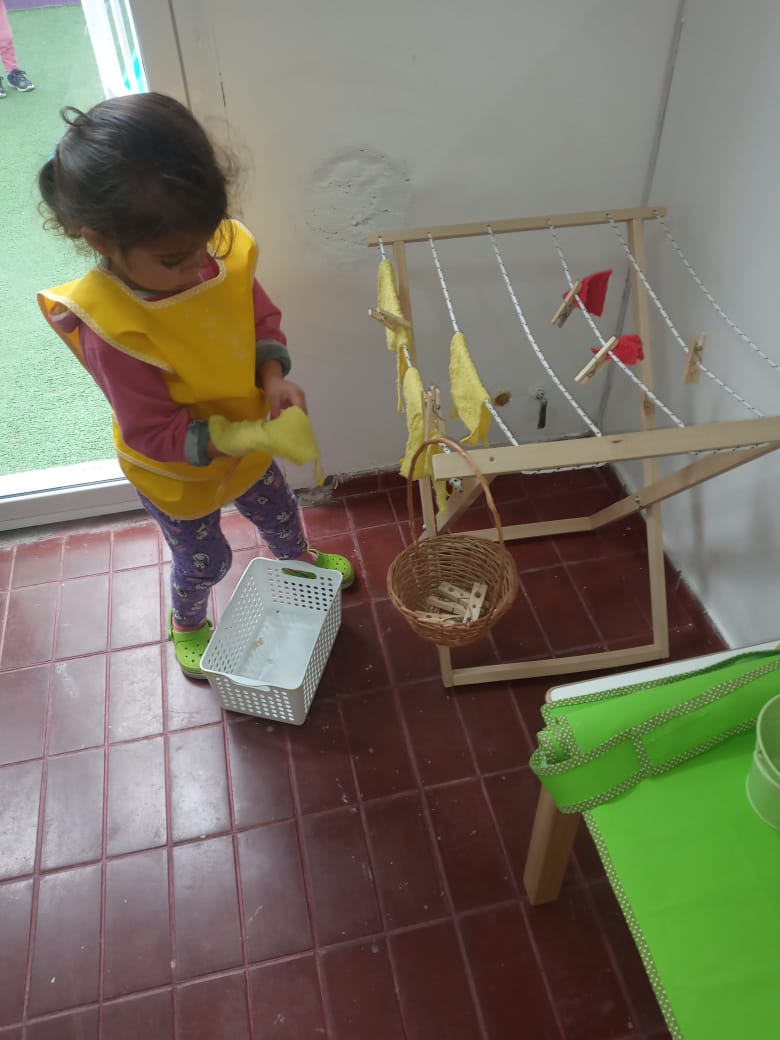
Every centre that joins MoDI receives 18 months of mentorship, including on-site modeling, observation, reflection, and feedback sessions. The programme introduces Montessori principles in “a simple, clear and concise way,” always centring the needs of the developing child: trust, movement, order, independence, and language.
The heart of MoDI’s theory of change is the evolving relationship between adult and child. When adults begin to recognise the real developmental needs of the child, and see how these needs resonate with their own humanity, something awakens. Caregivers begin to witness the child with new eyes. The role of the caregiver becomes illuminated with meaning, value, and purpose.
Some caregivers have gone on to complete their AMI 0-3 Diploma at FAMM. While not everyone can reach this point, each adult who does becomes a lighthouse for their colleagues.Their growth is evidence that the seeds planted by MoDI are beginning to bloom, with the potential for many more, young and older alike, to flourish.
For caregivers working in the public sector who are often underpaid and often unable to see the deeper value of their role, this transformation is extraordinary. Once an adult understands their essential contribution to a child's development, work becomes meaningful, important, and full of purpose, not only in the childcare centre, but at home, in the family, and throughout the community.
.jpeg)
Overcoming Challenges in Vulnerable Settings
Implementing Montessori in public institutions and vulnerable communities brings its own challenges. The greatest difficulty is supporting the ongoing transformation of adults and ensuring long-term quality.
Sustaining change requires extensive support, observation, coaching sessions, and practical recommendations. After introducing Montessori in a public programme or vulnerable setting, FAMM provides a full year of coaching. They visit centres, model observation, and guide reflection among caregivers and directors.
The goal is to develop observation tools that help teams reflect on their practice, self-evaluate, and continue growing independently. To support timely problem-solving, FAMM responds through WhatsApp and is exploring the development of an internal generative AI tool to extend and strengthen the support system.
.jpeg)
Where Support is Most Needed
In the 0-3 stage, caregiver training is often overlooked and considered unimportant, despite being foundational to a child’s development. To address this gap, FAMM is developing a scholarship fund to train 0-3 AMI Guides. This fund will not only support individual training but also strengthen and extend Montessori work in public and vulnerable contexts across the country.
By organising communities to reorient childcare centres toward the fundamental principles that support child development, FAMM has created the conditions for individuals, families, and institutions to generate a sustainable, measurable impact on children, adults, and the communities around them.
FAMM is the AMI Affiliated Society inArgentina. To learn more about their work, visit their website: https://www.fundacionmontessori.org
Related resources
.jpeg)
.jpeg)